
A new casino opening does not automatically become a major story. Most launches in regional gaming feel familiar: a few press releases, a ribbon cutting, a burst of local curiosity, and then the property settles into its market slot. Harrah’s Oklahoma looks different. It opened on April 9, 2026, in Chandler as the first Caesars-managed casino in Oklahoma, developed in partnership with the Iowa Tribe of Oklahoma. That alone gives it weight, but the more interesting point is what the project represents: not just another gaming floor, but a new bridge between tribal gaming, a national casino brand, Route 66 tourism, and the huge Caesars Rewards ecosystem.
What makes the property especially compelling is that it arrives with enough scale to matter from day one. Caesars says the casino includes more than 1,000 slot machines, 12 table games, a high-limit area, food-and-beverage outlets including Arrow & Ember and Dash Café, and integration into Caesars Rewards, the company’s national loyalty platform. That creates something Oklahoma has not really had in this exact form before: a property that can sell itself both as a local casino and as an entry point into a nationwide casino network.
The real reason Harrah’s Oklahoma could become one of the year’s most important casino openings is not hype. It is positioning. The project sits at the intersection of brand power, tribal economic strategy, drive-in convenience, and the broader American shift toward destination-minded regional gaming. If it executes well, it can attract several kinds of customers at once instead of depending on a single narrow audience. That is usually where a new property stops being just “new” and starts becoming relevant.
Why this opening matters beyond Oklahoma
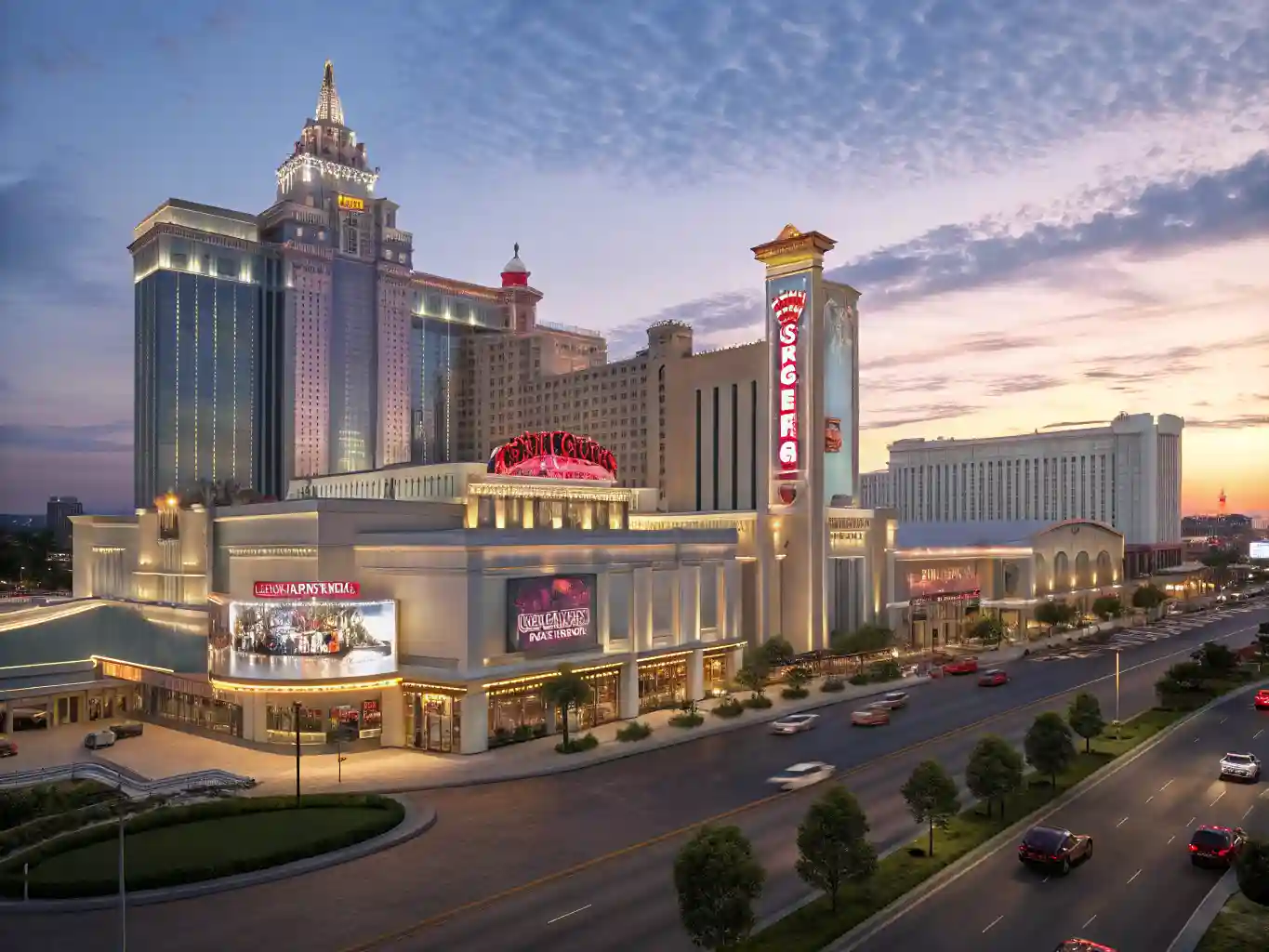
Harrah’s Oklahoma matters because Caesars did not simply stamp its name on a small local venue. This is the company’s first managed destination in the state, and that gives the launch strategic importance for both sides of the partnership. For Caesars, Oklahoma is a major gaming state that has long been significant in tribal gaming, yet the company had not had a managed brick-and-mortar presence there. For the Iowa Tribe of Oklahoma, the project is more than a commercial addition. Tribal leadership has described it as a transformational development and has already indicated that the hotel component is part of a second phase.
That combination matters because modern casino success is rarely built on gaming alone. A property becomes more durable when it can create repeat visits, longer stays, and reasons to spend beyond the casino floor. A national operator like Caesars brings brand recognition, operating systems, database marketing, and loyalty infrastructure. A tribal partner brings local legitimacy, long-term stake in the land, and a development model tied not only to revenue but also to community and economic opportunity. When those two sides align properly, the result can feel larger than the footprint of the opening phase.
It also helps that this is not being sold as a sterile corporate box. Caesars has positioned Harrah’s Oklahoma as a Las Vegas-style gaming, dining, and entertainment experience in the state, while also rooting the destination in Chandler and along the historic Route 66 corridor. That is smart branding. It gives the project two narratives at once: familiar national quality for casino players, and a sense of place for leisure travelers who want their stop to feel like more than an errand.
The opening event itself signaled that Caesars and the Iowa Tribe understood the need to make a statement. The grand opening included a ribbon cutting, first-play moments on the casino floor, live entertainment, and appearances by well-known Oklahoma football figures Barry Switzer and Bob Stoops. That kind of launch programming does not guarantee long-term success, but it shows the property wants to enter the market with identity, not just inventory.
There is another reason the opening resonates in 2026. The U.S. casino market is crowded with renovations, expansions, loyalty tweaks, and rebrands. Truly notable launches are rarer than they look. A property that creates a first-of-its-kind Caesars-managed presence in a major tribal gaming state stands out more than a routine tower refresh or restaurant swap at an established resort. That is why Harrah’s Oklahoma has a real chance to be remembered as one of the year’s defining openings rather than just one more regional debut.
What Harrah’s Oklahoma gets right from day one
The first strength is scale without overreach. More than 1,000 slot machines and 12 table games place the property firmly in the serious regional category, while the high-limit area gives it an extra layer of credibility for more valuable players. At the same time, the current version of the property does not pretend to be a megaresort. That is a good thing. New casinos often hurt themselves when they promise a destination experience before the market has proved it wants one. Harrah’s Oklahoma opens with enough substance to feel important, while leaving room for later growth.
The second strength is the way the non-gaming offer supports the main product instead of distracting from it. Arrow & Ember is positioned as a contemporary American restaurant with shareable plates, approachable classics, and specialty cocktails, while Dash Café handles the everyday side of the business with breakfast staples, pastries, and grab-and-go options. That mix is practical. Regional casinos live or die by how easy they are to use. Players want a place that can cover a full evening, a quick stop, or a longer social visit without forcing everything into a high-end resort script.
The third strength is accessibility. Harrah’s Oklahoma is being built as a drive market property in a state where convenience still matters enormously. The original project announcement described the resort as being built off I-44 between Tulsa and Oklahoma City, and Caesars has tied the live property to Route 66 identity. That is a valuable combination. It gives the casino a local-regional catchment area while also creating a hook for leisure travelers moving through central Oklahoma. Some casinos rely almost entirely on one feeder market. This one has a better chance to build layered traffic.
The fourth strength is one that many casual readers underestimate: Caesars Rewards. A national loyalty system can make a new casino feel established much faster. Guests do not have to treat Harrah’s Oklahoma as an isolated property. Their play can connect to a wider network of Caesars destinations, benefits, and redemption options. That matters because loyalty is no longer a side feature in casino competition. For many players, it is part of the product itself. A property that offers familiar rewards mechanics from day one removes friction and gives travelers a reason to sample a market they might otherwise ignore.
What stands out most is that Harrah’s Oklahoma seems to understand its job. It does not need to be Las Vegas. It needs to be a dependable, attractive, well-branded regional casino that feels more polished and connected than a typical market newcomer. That is a more realistic path to success, and often a more profitable one.
Where the real upside could come from
The most interesting part of Harrah’s Oklahoma may still be ahead. The casino that opened in April 2026 is the first phase of a broader resort vision. Caesars and tribal sources have said from the earlier project stage that a hotel would follow in phase two, and Iowa Tribe leadership said in 2025 that work on the hotel stage had already begun. That changes the way the opening should be read. The current property is important on its own, but it may also be laying the commercial and brand foundation for something meaningfully larger.
A hotel matters because it turns a strong local casino into a more flexible destination. Without rooms, a property is still valuable, but the visit pattern is narrower. With rooms, average trip value can rise, food-and-beverage becomes more meaningful, event programming has more range, and the property has a better case for pulling from farther away. In a competitive regional gaming environment, the difference between “good casino” and “full trip option” is enormous. Harrah’s Oklahoma does not have to become a giant resort to benefit from that shift. Even a moderate hotel phase could materially change its position.
There is also upside in timing. The U.S. gaming market is full of mature assets that compete on habit. New properties have a brief window in which curiosity and novelty work in their favor. The best operators use that window to train customers into repeat behavior before the novelty fades. Caesars has the marketing machine to do that, and the Iowa Tribe has every reason to push for long-term rather than superficial momentum. If they can convert opening interest into database growth and repeat visitation before the market settles, Harrah’s Oklahoma could build a stronger base than many new regional casinos manage in their first year.
The property also has narrative upside. In casino development, story matters more than many analysts admit. Players respond to places that feel easy to explain. Harrah’s Oklahoma has several clear hooks: first Caesars-managed casino in the state, partnership with the Iowa Tribe of Oklahoma, a Route 66 setting, a recognizable national rewards program, and a phased path toward a fuller resort. That is cleaner and more memorable than the pitch attached to many openings, which often sound interchangeable.
To show why that matters, it helps to compare the property’s current profile with the traits that usually turn a new casino into a lasting regional draw.
Before looking at the comparison, one point is worth stressing: Harrah’s Oklahoma does not need to dominate every category immediately. It simply needs enough strengths in the right areas to create repeat demand and support future expansion.
| Area | Harrah’s Oklahoma position in 2026 | Why it matters |
|---|---|---|
| Brand | First Caesars-managed property in Oklahoma. | Gives the casino instant recognition and a trust advantage. |
| Scale | More than 1,000 slots, 12 table games, high-limit area. | Large enough to feel serious from opening day. |
| Partnership model | Developed with the Iowa Tribe of Oklahoma. | Aligns the project with long-term tribal economic goals. |
| Access | Route 66 location near the I-44 corridor between Tulsa and Oklahoma City. | Supports drive-in traffic and broader regional reach. |
| Amenities | Arrow & Ember, Dash Café, sports bar, entertainment positioning. | Encourages longer visits and broader customer appeal. |
| Loyalty | Connected to Caesars Rewards. | Makes the property part of a wider national casino ecosystem. |
| Expansion path | Hotel planned as a second phase. | Creates upside beyond the launch version of the property. |
Taken together, those factors explain why Harrah’s Oklahoma feels stronger than a standard opening. None of them alone guarantees a breakout year. Together, they form a credible growth story. The casino already has enough operating substance to attract attention, and it still has an expansion narrative that can keep interest alive after the first opening buzz fades.
The challenges it still has to solve
Calling Harrah’s Oklahoma a possible opening-of-the-year story does not mean ignoring risk. New casinos rarely struggle because the ribbon cutting was weak. They struggle when early curiosity does not convert into stable traffic, or when the property’s identity is less distinctive in real use than it looked on paper.
One challenge is market discipline. Oklahoma is not a blank slate in gaming. Harrah’s Oklahoma may be the first Caesars-managed property in the state, but it is not entering an empty competitive environment. That means brand awareness can open doors, yet the property still has to prove why players should make it part of their regular routine rather than just try it once. A national logo helps, but convenience, service, payout perception, hospitality consistency, and local word of mouth are what hold a regional casino together over time.
Another challenge is balancing ambition with realism. The brand and the Harrah’s name can create expectations that exceed the launch-phase footprint. If guests hear “Caesars” or “Harrah’s,” some will imagine a more complete resort package than the property currently offers. That is where execution matters. If the casino experience feels polished, lively, and easy to enjoy, the opening phase can stand on its own. If guests feel they were promised a bigger destination than the one they found, the narrative can turn faster than management expects. The planned hotel phase increases upside, but it can also sharpen the sense that the property is still in progress.
The property’s opportunity can be summarized in a few practical tests that will matter more than headlines over the next year:
- Can it turn first-time visitors into repeat players quickly.
- Can it use Caesars Rewards to pull in travelers who would not normally stop in Chandler.
- Can its food, service, and atmosphere feel strong enough to support longer visits.
- Can the Iowa Tribe and Caesars sustain a clear long-term development story around the resort.
- Can the eventual hotel phase arrive while the opening momentum is still fresh.
If the answer to most of those questions is yes, Harrah’s Oklahoma will look less like a solid regional debut and more like one of the smartest gaming launches of 2026. If the answers are mixed, it may still be successful, but it will not fully separate itself from the long list of properties that open with noise and then normalize.
Why players and the wider market should pay attention
For players, the appeal is fairly simple. Harrah’s Oklahoma brings a known casino brand into a state where that specific Caesars-managed experience did not previously exist. It offers a large slot floor, table games, high-limit play, dining that covers both casual and sit-down needs, and the ability to tie play into Caesars Rewards. That is a strong package for anyone who values familiarity and flexibility in a regional casino setting.
For the broader industry, the property is a useful case study in what modern regional gaming can still do. There is a lazy assumption in parts of the market that the era of meaningful regional openings is mostly over, and that the biggest stories now come only from giant integrated resorts or online gaming. Harrah’s Oklahoma challenges that view. It shows that a well-positioned regional property can still matter when it introduces a new management brand to an important state, aligns with tribal priorities, and leaves room for phased growth.
It also says something important about the future of casino competition. Winning is no longer just about size. It is about how well a property combines local usefulness with national relevance. Harrah’s Oklahoma has a shot because it appears to understand both. Local customers can use it as a practical, polished gaming option. Travelers can understand it through the Harrah’s name and Caesars Rewards. The Iowa Tribe can frame it as a long-term economic project rather than a short-term headline. That layered value is why the opening deserves more attention than a typical new casino.
Final verdict: a launch with real breakout potential
Harrah’s Oklahoma is not the biggest casino story in America by sheer scale, and it does not need to be. Its case is stronger than that. It is one of those openings that can matter more than its square footage suggests because the strategic ingredients line up unusually well: first Caesars-managed casino in Oklahoma, a meaningful partnership with the Iowa Tribe of Oklahoma, a substantial gaming floor from day one, a national rewards engine, a location with drive-market logic, and a visible second-phase growth path.
That does not make success automatic. The property still has to earn repeat business, sharpen its identity, and prove that opening-day energy can become durable traffic. But when people look back at casino launches from 2026, Harrah’s Oklahoma has a real chance to stand near the top of the list. Not because it shouted the loudest, but because it may turn out to be one of the few openings that genuinely changed something in its market.