AI Dealers in South Korean Casinos: A Revolution in Live Games in 2026
The Regulatory and Technological Context
South Korea's casino industry operates under tight oversight, with most venues open only to foreign visitors. Against that backdrop, several resorts began testing AI-driven dealers in live game environments in early 2026. The pilot programs aim to cut costs and standardize game flow without breaching local labor rules.
Regulators are watching closely but have not blocked the trials. Officials emphasize that AI dealers must meet the same fairness and audit standards as human croupiers.

How AI Dealers Work in Live Casino Environments
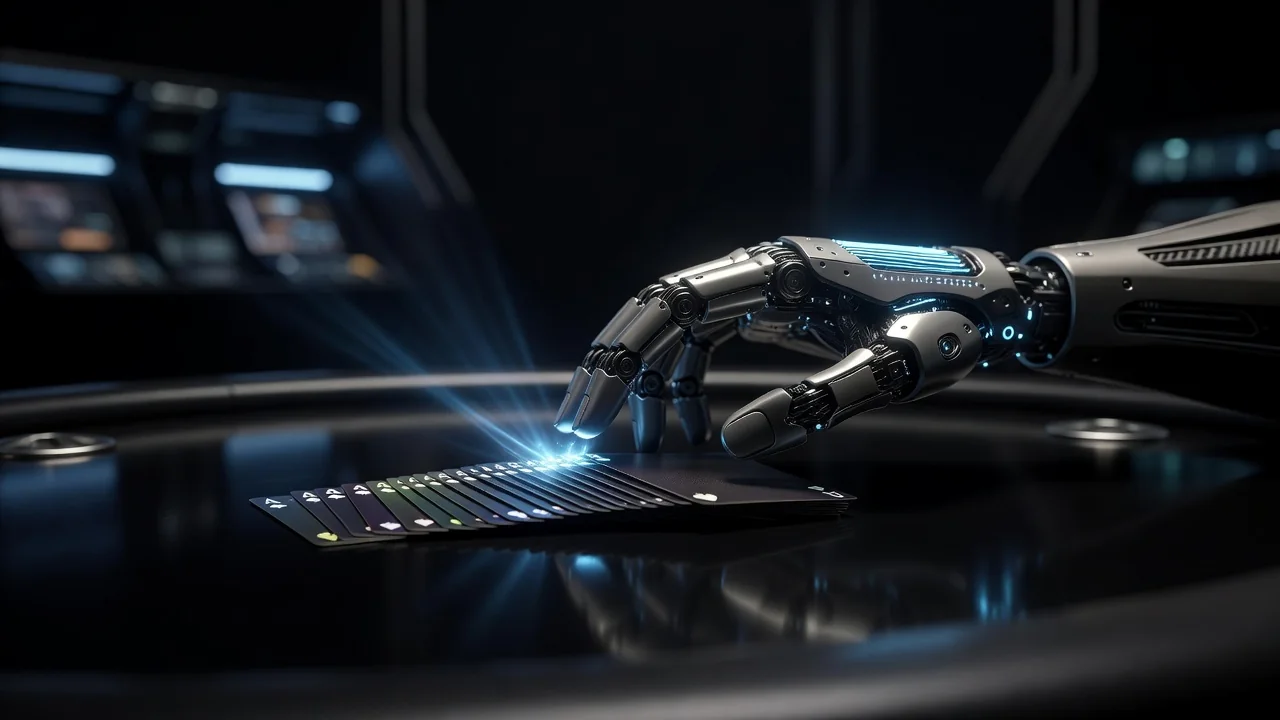
The systems combine computer vision, speech synthesis and robotic card handling into a single dealing unit. Cameras read cards and chips in real time, while software manages payouts and player interaction.
| Component | Function | Role in Live Games |
|---|---|---|
| Computer vision | Card and chip recognition | Ensures accurate game flow |
| Speech synthesis | Dealer communication | Keeps table talk natural |
| Robotic handling | Physical card dealing | Removes human error |
What Changes for Players
For players, the visible differences are subtle: consistent dealing speed, fewer disputes and 24/7 table availability. Some regulars miss human interaction, which venues plan to preserve at VIP tables.
- Dealing speed stays constant across all shifts.
- Dispute rates fall as every action is machine-logged.
- Tables can run continuously without dealer rotation.
- Human hosts remain for high-stakes and VIP rooms.
What Comes Next
If the Korean pilots succeed, expect similar systems in other Asian markets within two years. Online live casinos are already borrowing the technology — read how slot mechanics shape player experience for a parallel trend. The broader context of Asian regulation is covered in our report on Thailand's legalization delay.