The Golden Age of Ringtones: 1998–2010
For roughly a decade, the soundtrack of public life was not the radio or the club PA — it was the thirty-second clips blaring from coat pockets and backpacks. Between the late 1990s and the late 2000s, ringtones went from a hidden phone setting to a multi-billion-dollar music format, and for a while they were the way millions of people announced their taste to the world.
This site grew up in that era: our archive listings from the early 2000s are full of artist pages built for one purpose — helping people find the right snippet of a song for their handset. Looking back at those lists today is a surprisingly sharp portrait of how music, technology and identity collided.
From monophonic beeps to master tones
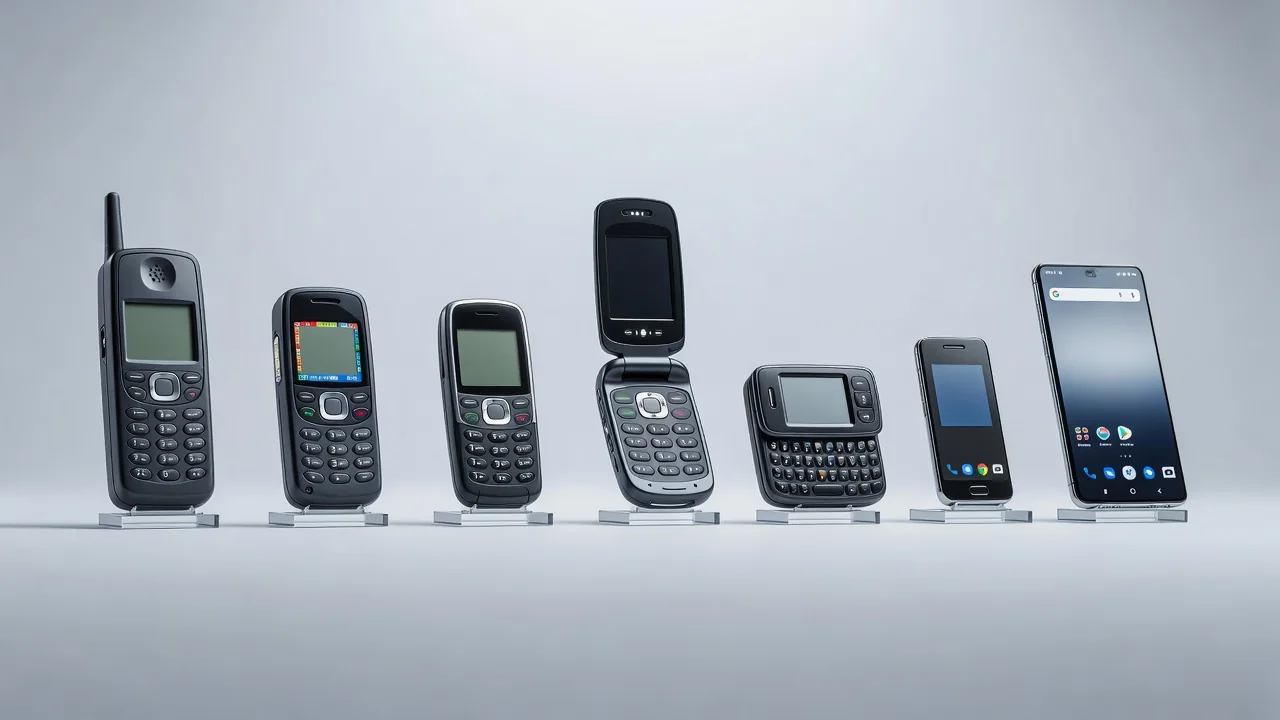
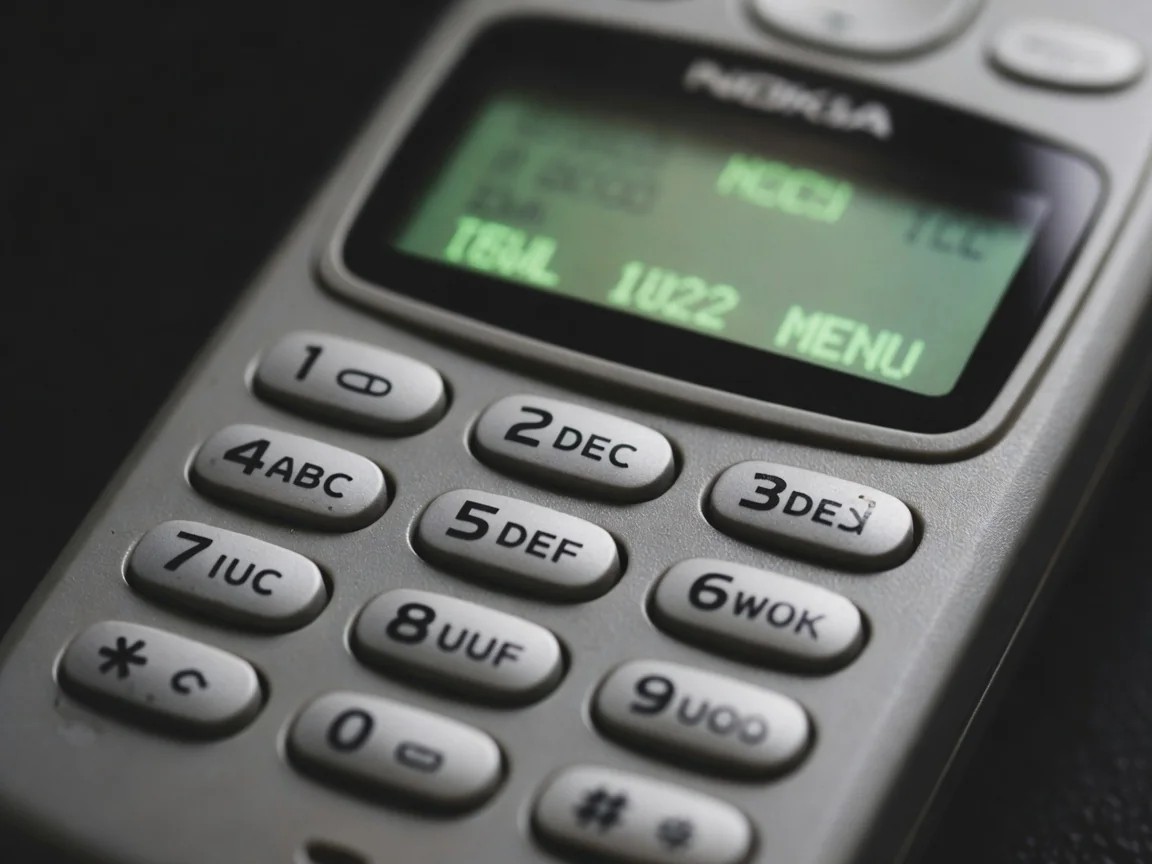
The first custom ringtones were monophonic — a single melodic line punched in note by note on a numeric keypad. Nokia's composer mode turned teenagers into part-time arrangers, and the company's own default tune, taken from Francisco Tárrega's 1902 guitar piece "Gran Vals", became one of the most-heard melodies of the twentieth century.
Polyphonic phones arrived around 2000–2001 and changed everything: suddenly a handset could play several notes at once, and ringtone versions of hits sounded almost like the records. The final leap was the "truetone" or "realtone" — an actual audio sample of the song itself. By 2004, Billboard had launched a dedicated ringtone chart, and labels were thinking about the ringtone edit before the album was even mastered.
The chart that measured pockets
Ringtone sales became a genuine barometer of popularity. Hip-hop dominated the format — short, beat-driven hooks were perfect for the medium — and novelty acts like Crazy Frog showed that a ringtone could outsell the singles chart. At the format's peak around 2006–2007, ringtone revenues in the United States alone were measured in the hundreds of millions of dollars annually, with global figures far higher.
| Era | Technology | What it sounded like | Years |
|---|---|---|---|
| Monophonic | Keypad composer, RTTL text codes | Single beeping melody line | 1996–2000 |
| Polyphonic | MIDI-based synthesis, 4–40 voices | Chiptune-style arrangements of hits | 2000–2004 |
| Truetone | MP3/AMR audio samples | The actual recording, 20–30 seconds | 2003–2010 |
| Smartphone era | Any audio file, app stores | Anything you own or make | 2008–today |
Why the golden age ended
The iPhone's arrival in 2007 and the smartphone wave that followed quietly killed the paid ringtone market. When any song in your library could become a ringtone for free, paying several dollars for a thirty-second clip stopped making sense. Just as importantly, phone culture changed: vibrate mode became the social default, and the loud custom ringtone went from status symbol to mild embarrassment.
Yet the era left a real legacy. It taught the music industry that people would pay for small, personalized pieces of music; it turned a generation of phone users into amateur editors; and it created a strange, wonderful archive of what people wanted the world to hear when their phone rang. That is the archive this magazine grew out of — and why we still write about the culture of sound.