The Ringtone Economy: Who Got Paid for Your Thirty Seconds
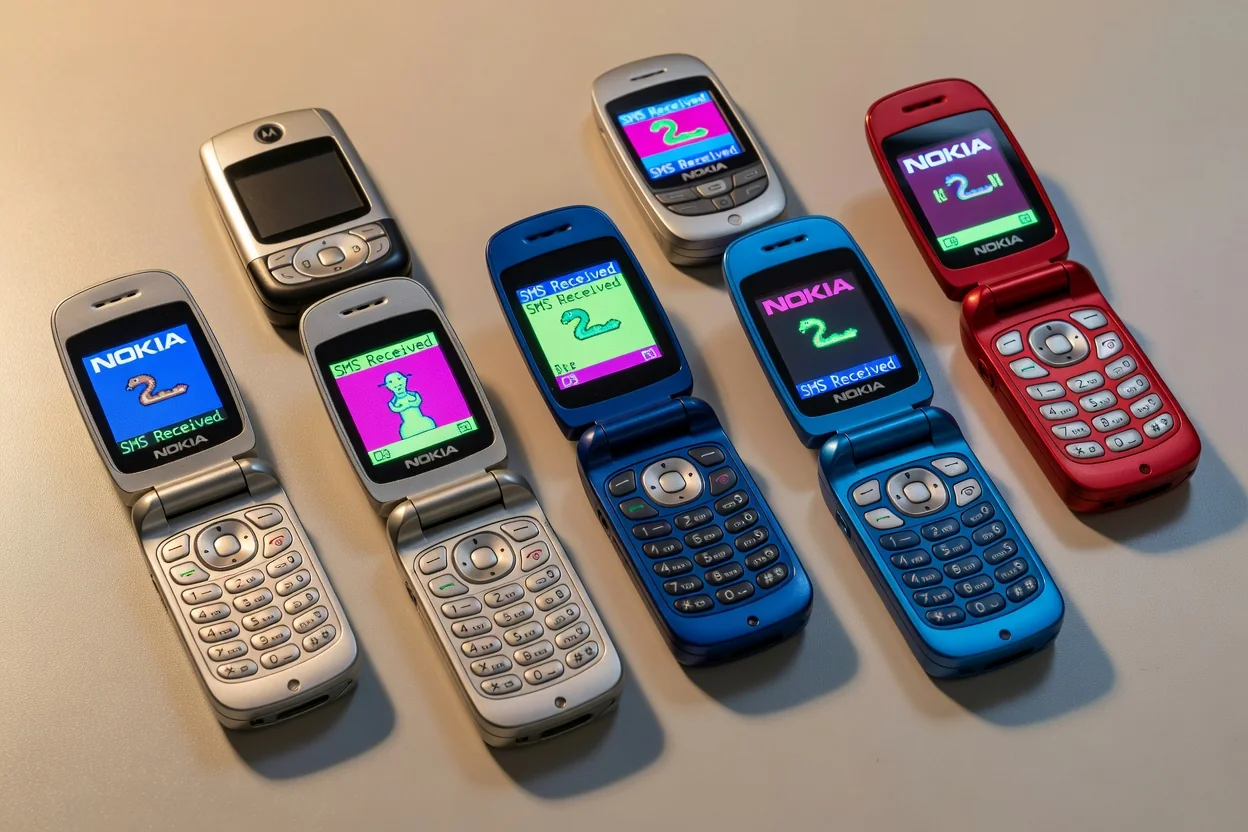
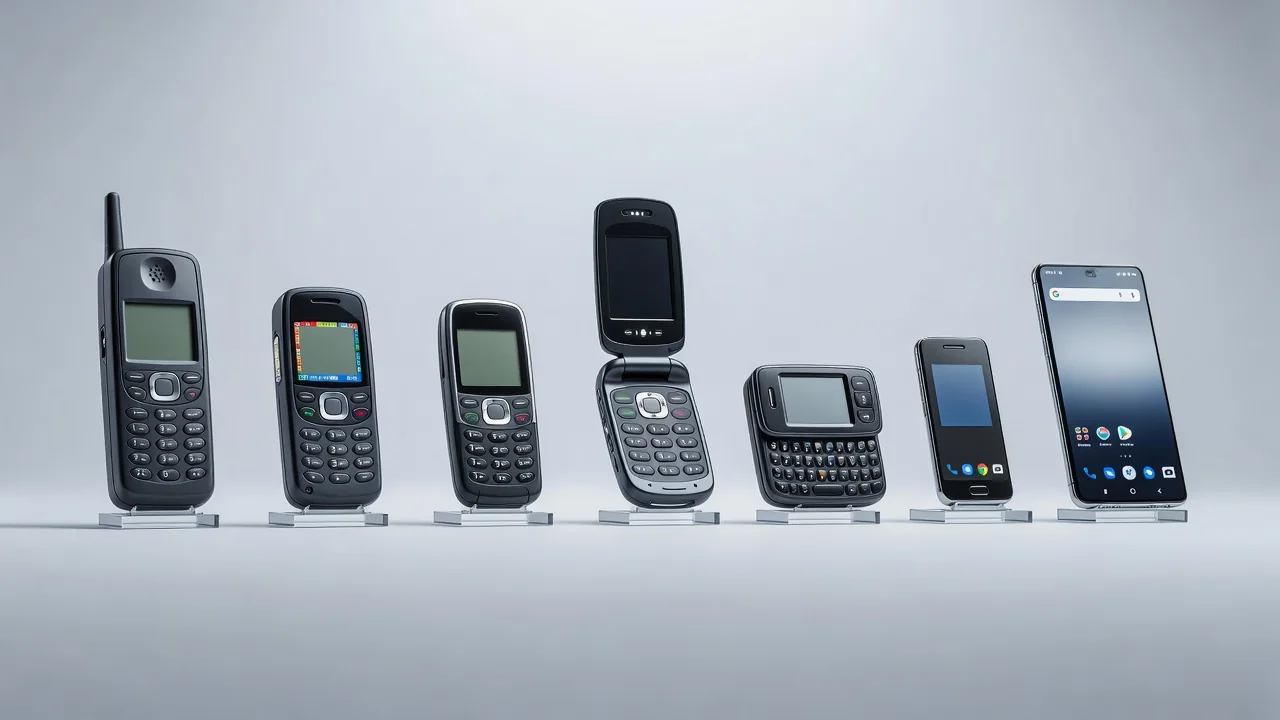
At its peak, the ringtone was one of the most profitable thirty seconds in entertainment. A snippet that cost almost nothing to deliver sold for more than a full song download, and for several years labels, publishers, aggregators and carriers all fought for a slice of the pie. Understanding that peculiar economy explains a lot about how the modern music business was shaped.
A new revenue line for labels
In the early 2000s, record labels were watching CD sales slide and file-sharing explode. Ringtones arrived as a rare piece of good news: a paid, mobile, impulse-driven product that piracy barely touched. A mastertone typically retailed for around two to three dollars — two or three times the price of a full track on iTunes — while costing the label a fraction of a physical single to deliver.
Labels responded by treating ringtones as a format in their own right. Release strategies began to include the ringtone edit; some hooks were mixed with the thirty-second cut in mind; and ringtone chart positions were quoted in press releases alongside radio spins.
Who got paid
The money from a single ringtone purchase was split across a long chain. Every participant took a share before the artist saw anything, which is why ringtone income, while large in aggregate, rarely transformed an individual musician's finances.
| Player | Role in the chain | Typical position |
|---|---|---|
| Mobile carrier | Billed the customer on the phone bill | Largest single cut, often a third to a half |
| Aggregator / portal | Hosted storefronts, formatted the files | Service fee plus revenue share |
| Record label | Owned the master recording | Major share of the remainder |
| Publisher / songwriter | Owned the composition | Mechanical royalty per sale |
| Artist | Performed the recording | Royalty from the label's share, per contract |
Lessons the music business kept
The ringtone boom collapsed quickly, but its lessons stuck. It proved that fans would pay for music on a phone — paving the psychological road to paid downloads and, later, streaming subscriptions. It showed that short clips could drive discovery, an idea that social platforms would later rebuild entire careers on. And it demonstrated that owning the billing relationship, as the carriers did, is often worth more than owning the content.
Today the economy has moved on to streams and syncs, but the pattern is familiar: a new format appears, the industry argues over the split, and the artists adapt. The ringtone decade was simply the first time that story played out in your pocket.